



Affordable 2D Transfer Systems: Elevating Your Optical Instrumentation
Release time:
2025-06-08
Affordable 2D Transfer Systems: Elevating Your Optical Instrumentation Table of Contents Introduction to 2D Transfer Systems What Are 2D Transfer Systems? Importance of 2D Transfer Systems in Optical Instrumentation Key Features of Affordable 2D Transfer Systems Applications of 2D Transfer Systems in Optical Instrumentation Choosing the Right 2D Transfer System for Your Ne
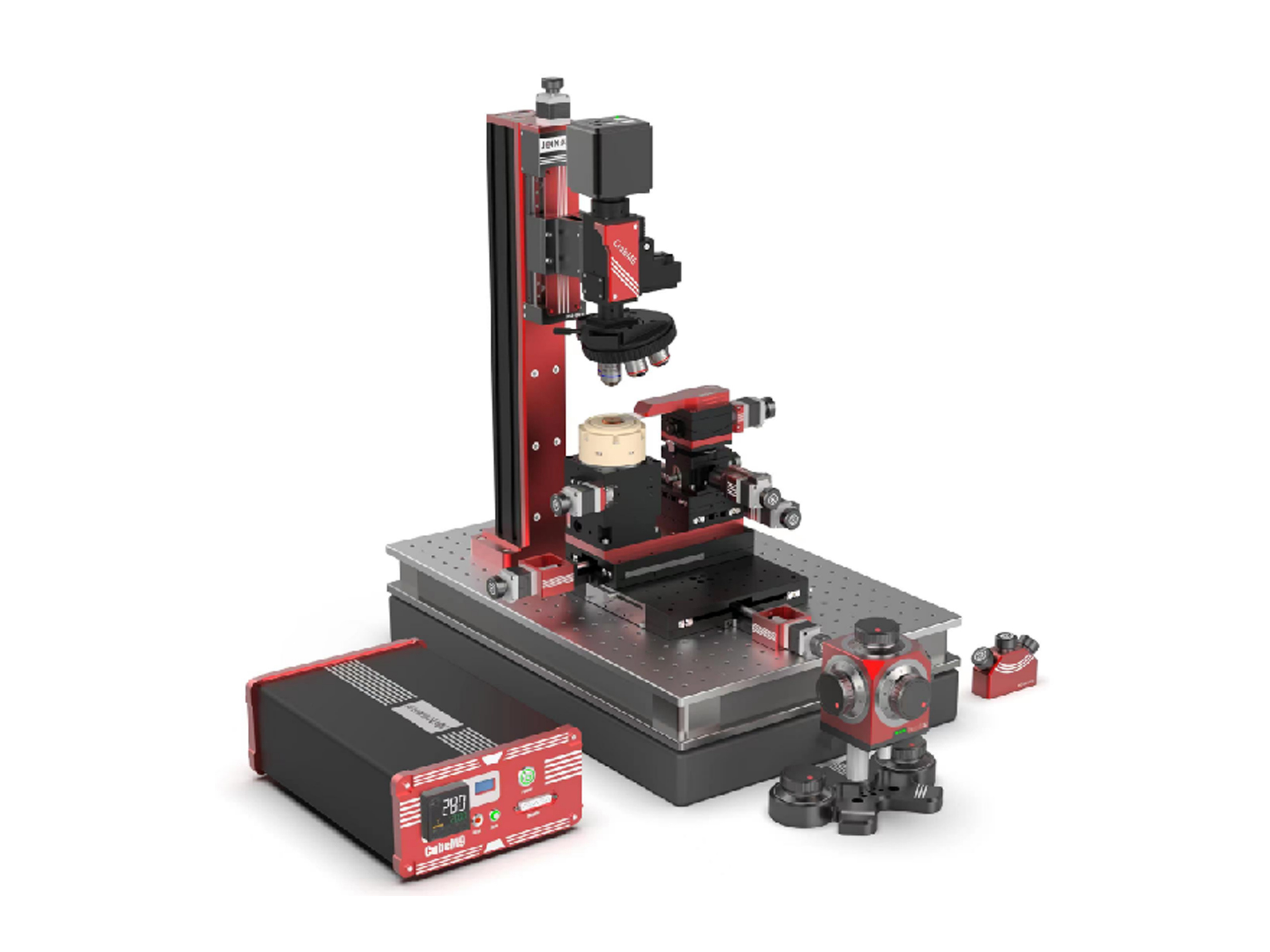
2D transfer systems are devices designed to facilitate the movement and positioning of optical components in two-dimensional space. These systems are characterized by their ability to handle intricate optical elements, such as lenses and mirrors, with remarkable precision. Unlike traditional transfer mechanisms, 2D transfer systems often incorporate advanced technologies that enhance their functionality, making them indispensable in modern optical setups.
Components of 2D Transfer Systems
A typical **2D transfer system** comprises several essential components:
- **Linear Stages**: Allow for precise linear movement along X and Y axes.
- **Control Software**: Enables user-friendly operation and automation capabilities.
- **Mounting Hardware**: Ensures stability and alignment of optical components.
- **Sensors**: Provide real-time feedback on position and movement.
Importance of 2D Transfer Systems in Optical Instrumentation
The importance of 2D transfer systems in optical instrumentation cannot be overstated. These systems contribute significantly to the quality and efficiency of optical measurements and experiments. Here are some key reasons why 2D transfer systems are essential:
Enhanced Precision
The ability to achieve **micron-level accuracy** makes 2D transfer systems a crucial asset in laboratories and industrial settings where precision is paramount. This precision ensures that optical measurements are reliable and reproducible.
Increased Productivity
Affordable 2D transfer systems streamline workflows by automating positioning tasks, reducing the time researchers and technicians spend on manual adjustments. This increased productivity allows teams to focus on more critical aspects of their work.
Flexibility and Versatility
These systems are adaptable to various applications, making them suitable for a wide range of optical instruments, including spectrometers, microscopes, and laser systems. Their versatility enables users to customize setups according to specific project requirements.
Key Features of Affordable 2D Transfer Systems
When selecting an affordable 2D transfer system, it is essential to consider several key features that differentiate high-quality systems from less effective options.
Cost-Effectiveness
One of the primary advantages of affordable 2D transfer systems is their cost-effectiveness. These systems offer advanced features at a fraction of the price of traditional systems, making them accessible to a broader range of users, from educational institutions to small businesses.
Ease of Integration
Most affordable 2D transfer systems are designed to integrate seamlessly with existing optical setups. This ease of integration minimizes downtime and accelerates the implementation process.
User-Friendly Interface
Modern 2D transfer systems come equipped with intuitive software interfaces, allowing users to operate the systems with minimal training. This user-friendliness is vital for ensuring that operators can maximize the benefits of the technology without extensive technical knowledge.
Applications of 2D Transfer Systems in Optical Instrumentation
The applications of affordable 2D transfer systems span various fields and industries. Understanding these applications can help users appreciate the technology's versatility and potential impact on their work.
Research and Development
In research laboratories, 2D transfer systems facilitate experiments that require precise alignment and movement of optical elements. They are crucial in developing new optical instruments and testing their performance under varying conditions.
Manufacturing Processes
In manufacturing settings, these systems are used for quality control and inspection processes. They ensure that optical components meet stringent quality standards by providing accurate positioning during measurement.
Medical Imaging
2D transfer systems are integral to medical imaging technologies, such as optical coherence tomography (OCT) and confocal microscopy. They allow for precise imaging of biological tissues, enhancing diagnostic capabilities.
Education and Training
In educational settings, affordable 2D transfer systems provide students with hands-on experience in optical instrumentation. This practical knowledge is invaluable for aspiring scientists and engineers.
Choosing the Right 2D Transfer System for Your Needs
Selecting the right 2D transfer system involves careful consideration of several factors to ensure it meets your specific requirements.
Determine Your Requirements
Begin by evaluating your specific application needs. Consider factors such as the type of optical components you'll be working with, the required precision, and the available budget.
Research Available Options
Conduct thorough research on the various 2D transfer systems available in the market. Look for reputable manufacturers and read reviews to gain insight into the performance and reliability of their products.
Consult with Experts
Don't hesitate to reach out to technical experts or consult with industry professionals. Their experience can provide valuable guidance in choosing a system that fits your needs.
Future Trends in 2D Transfer Systems
The landscape of **2D transfer systems** is continually evolving, driven by advancements in technology and changing market demands.
Increased Automation
As automation becomes more prevalent in optical instrumentation, future 2D transfer systems will likely incorporate advanced robotics and AI capabilities. This shift will enhance their operational efficiency and precision.
Integration with IoT
The integration of the Internet of Things (IoT) into 2D transfer systems is on the horizon. This integration will enable remote monitoring and control, providing users with real-time data and insights into system performance.
Sustainability Considerations
Future developments in 2D transfer systems will likely prioritize sustainability, incorporating eco-friendly materials and energy-efficient technologies to reduce environmental impact.
Affordable 2D transfer systems are transforming the landscape of optical instrumentation, offering precision, efficiency, and versatility at accessible price points. As technology continues to advance, these systems will play an increasingly vital role in various applications, from research and development to medical imaging. By understanding their features, applications, and future trends, users can make informed decisions that elevate their optical capabilities to new heights. Whether you are a researcher, manufacturer, or educator, investing in a reliable 2D transfer system will undoubtedly enhance your work and productivity in the optical field.
Related News

Contact Us
Mobile Phone: 15756003283
Email: support@zeptools.com、micage@zeptools.com
Address: No.15, Electronic Venture Park, Dongshi, Tongling City, Anhui Province, China