



Nature Commun.: In Situ Mechanical Transformation Process of Ferroelectric Vortex Domains under Atomic Resolution Revealed by Physics
Release time:
2020-04-16
Ferroelectric vortex domains formed by complex lattice-charge interactions have great application potential in nanoelectronic device research and development. In practical applications, how to manipulate the topological state of such structures under external excitation is crucial. The Institute of Physics of the Chinese Academy of Sciences/State Key Laboratory of Surface Physics, Beijing National Research Center for Condensed Matte Physics, in cooperation with the research teams of Peking University, Xiangtan University, and the University of Pennsylvania, used atomically resolved double spherical aberration correction electron microscopy to manipulate PbTiO3 by applying local mechanical loads Vortices in the/SrTiO3 superlattice.
Ferroelectric vortex domains formed through complex lattice-charge interactions have great application potential in the development of nanoelectronic devices. In practical applications, how to manipulate the topological state of such structures under external excitation is crucial. The Institute of Physics of the Chinese Academy of Sciences/State Key Laboratory of Surface Physics, Beijing National Research Center for Condensed Matte Physics, in cooperation with the research teams of Peking University, Xiangtan University, and the University of Pennsylvania, used atomically resolved double spherical aberration correction electron microscopy to manipulate PbTiO3 by applying local mechanical loads Vortices in the/SrTiO3 superlattice. Under the action of external pressure stress, the vortex changes in plane polarization and recovers spontaneously after the stress is relieved. The results combine real-time atomic imaging technology and field simulation calculations to reveal the phase transition process on the atomic scale. These findings provide new ways to control exotic topology ferroelectric structures for future nanoelectronics devices, and also provide valuable insights for understanding nanoscale lattice-charge interactions. The work was published in Nature Communications under the title "Atomic Imaging of Mechanically Induced Topological Transition of Ferroelectric Vortices. Researcher Bai Xuedong, Institute of Physics, Chinese Academy of Sciences/State Key Laboratory of Surface Physics, Beijing National Research Center for Condensed Matte Physics, Professor Gao Peng of Peking University and Professor Tan Congbing of Xiangtan University are the corresponding authors of this article. Dr. Chen Pan from the Institute of Physics of the Chinese Academy of Sciences is the first author of the article.
Article Link: https://www.nature.com/articles/s41467-020-15616-y

Figure 1: Title and Author
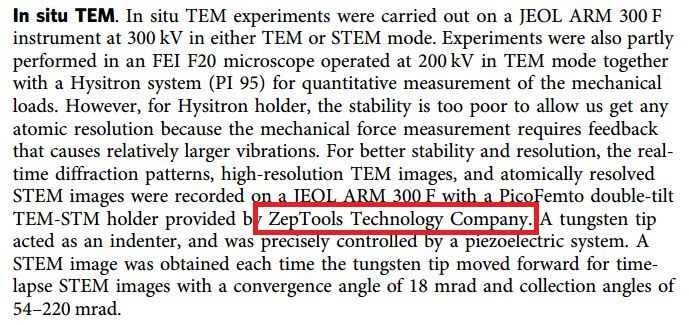
Figure 2: In-situ TEM Research Experimental Method
In High Resolution In-situ Mechanics Experiment, Samples Are Mounted in PicoFemto®Double tilt in situ STM-TEM on the sample rod, through the beta direction tilt device can easily find the ideal observation angle. The three-dimensionally manipulable tungsten probe acts as an indenter to apply pressure to the sample in situ, and this compression process allows for easy capture of atomic-resolved video.
Note: Atomic resolution in situ compression video please contact customer service.
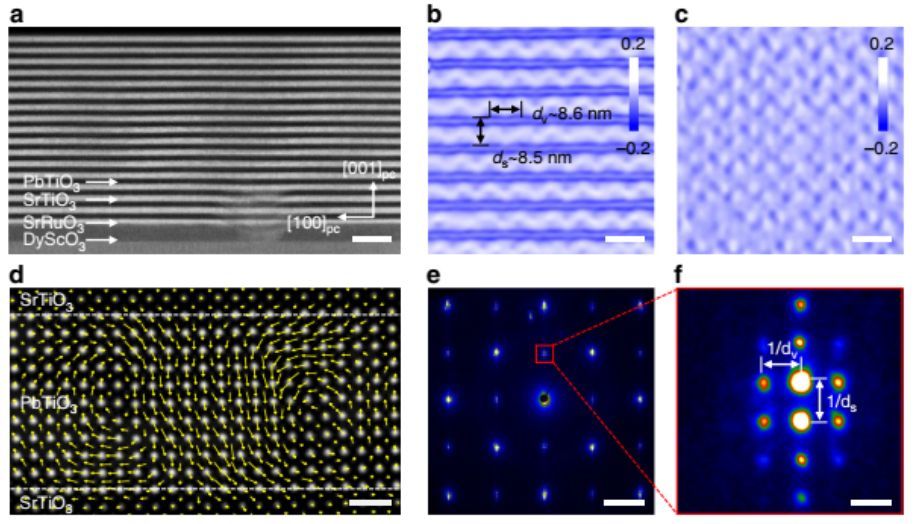
Figure 3: Characterization of vortex domains in PbTiO3/SrTiO3 superlattice
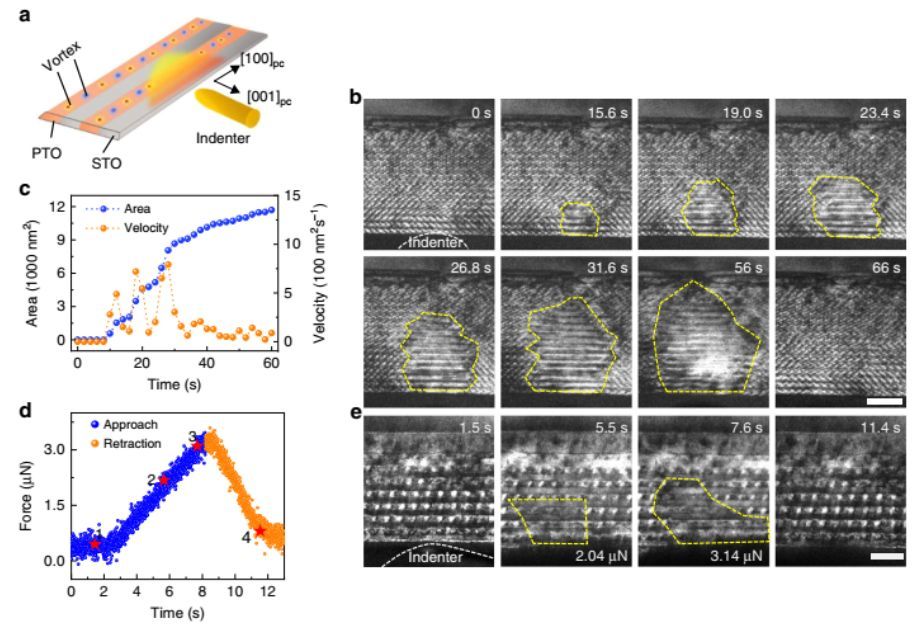
Figure 4: Transformation of vortex domains under external force
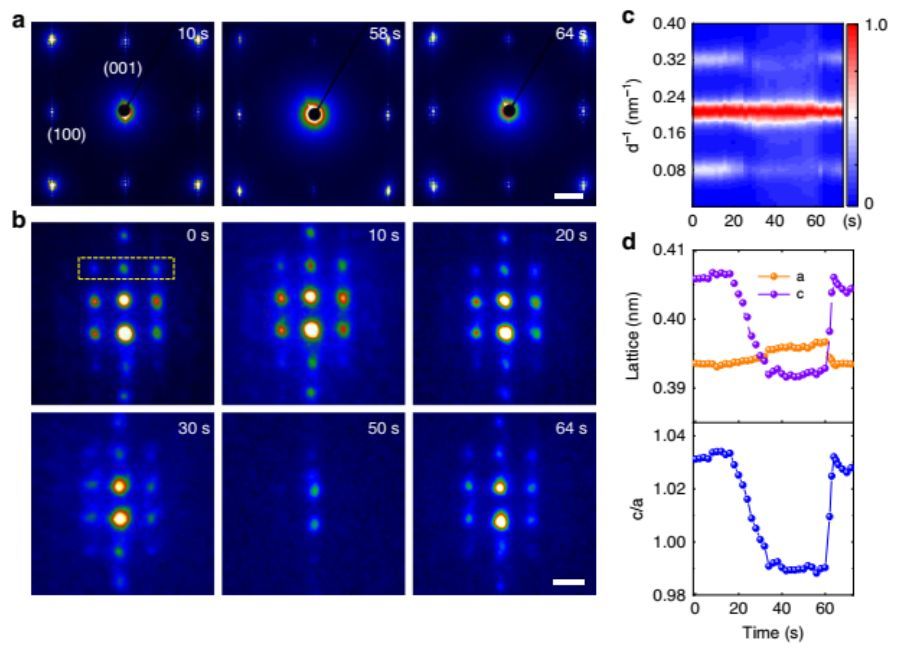
Figure 5: structural changes during vortex domain mechanics transition
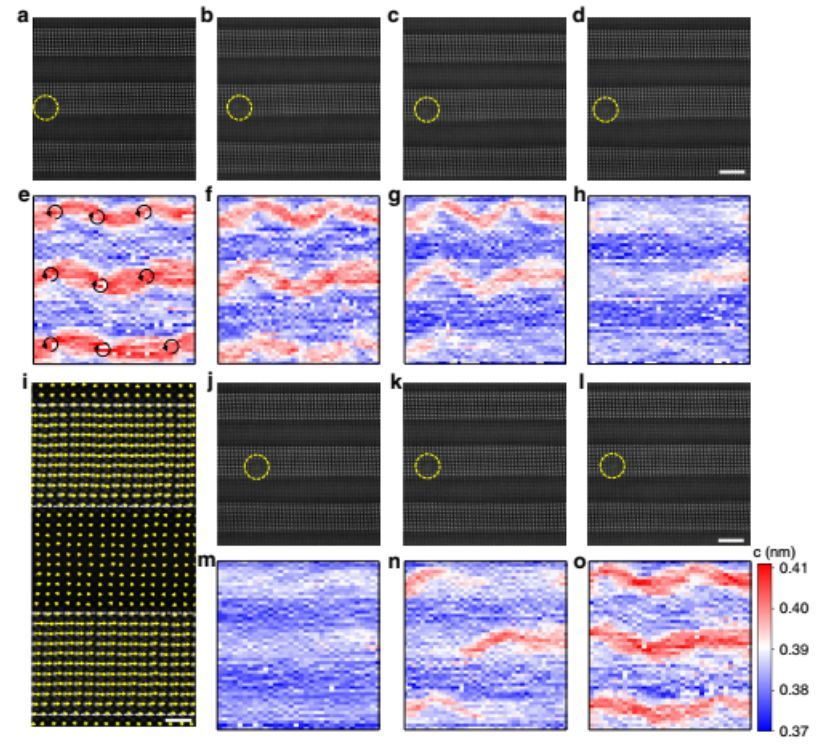
Figure 6: Atomic resolution photographs of vortex domain mechanics transition and recovery process
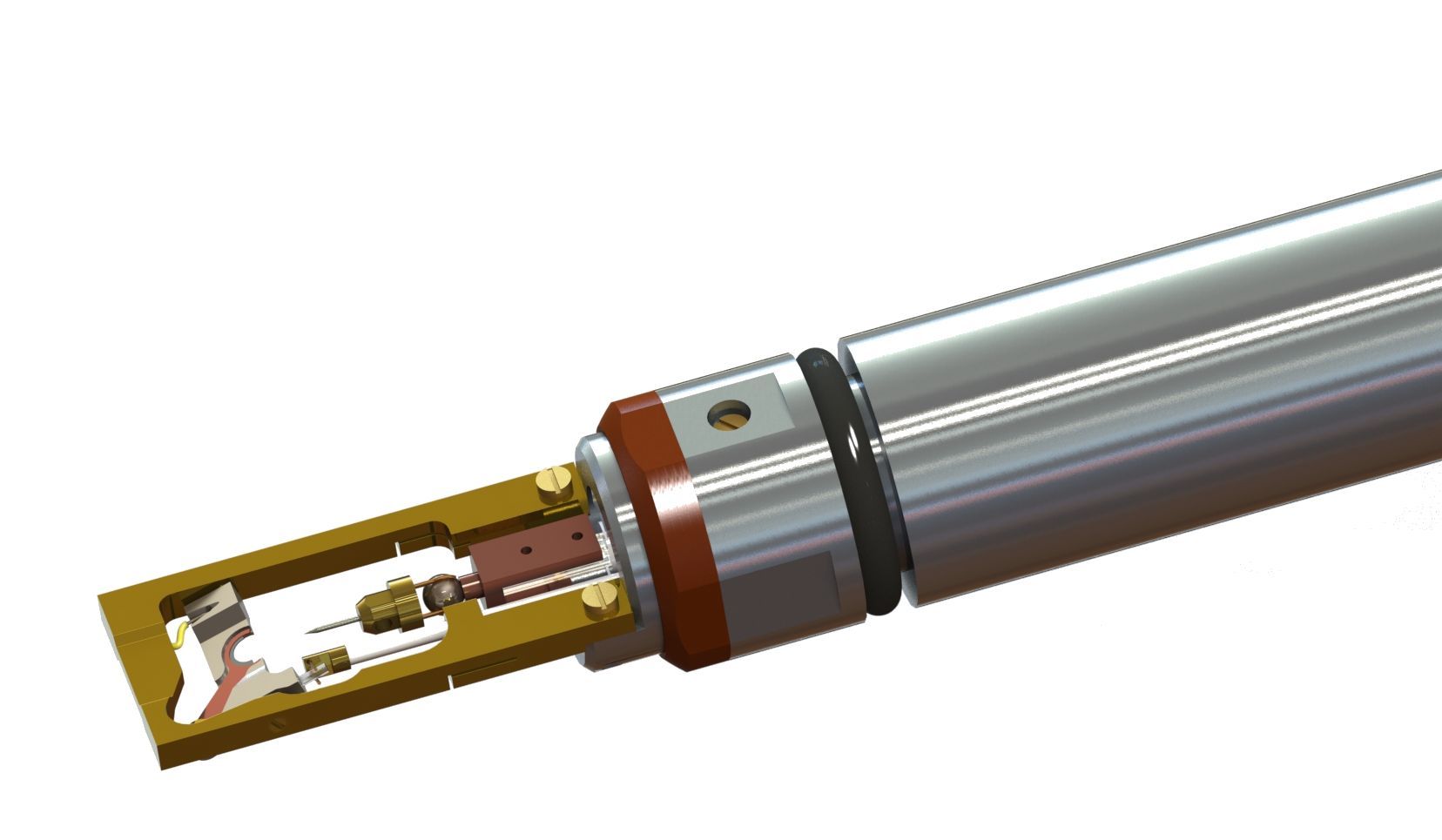
Figure 7: PicoFemto used in this article®In-situ double tilting TEM-STM sample bar
Related News
Share

Contact Us
Mobile Phone: 15756003283
Email: support@zeptools.com、micage@zeptools.com
Address: No.15, Electronic Venture Park, Dongshi, Tongling City, Anhui Province, China