



Stylus Profilometers: Precision Measurement Tools in Electrical Instrumentation
Release time:
2025-08-14
Stylus profilometers are sophisticated instruments utilized for measuring surface topography with high precision. These devices work by dragging a fine stylus across the surface of a material, allowing them to capture intricate details of the surface texture. This process generates a profile of the surface, providing valuable data for engineers and quality control specialists. In the electrical an
Stylus profilometers are sophisticated instruments utilized for measuring surface topography with high precision. These devices work by dragging a fine stylus across the surface of a material, allowing them to capture intricate details of the surface texture. This process generates a profile of the surface, providing valuable data for engineers and quality control specialists.
In the electrical and instrumentation sectors, ensuring the quality and functionality of components is paramount. Stylus profilometers play a critical role in this regard by enabling the assessment of surface roughness, waviness, and other characteristics that can affect the performance of electrical components. For instance, the smoothness of a contact surface can directly influence the conductivity and durability of electrical connections.
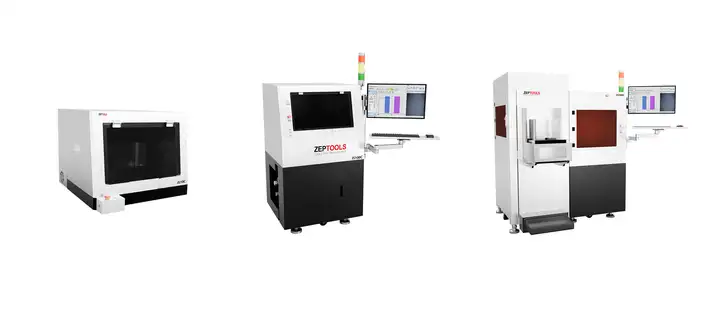
The versatility of stylus profilometers allows them to be used on a variety of materials, including metals, plastics, and ceramics. This makes them an invaluable tool in different applications, from semiconductor manufacturing to the production of precision components for electrical devices. By accurately measuring surface profiles, manufacturers can identify defects or irregularities that could lead to product failure.
One of the notable advantages of using a stylus profilometer is its ability to provide detailed quantitative data. The measurements obtained can be used to calculate parameters such as average roughness (Ra) and root mean square roughness (Rq), which are critical for evaluating surface quality. These parameters help in making informed decisions regarding materials and manufacturing processes, ultimately leading to improved product reliability.
Moreover, the data collected from stylus profilometers can be integrated with computer-aided design (CAD) and manufacturing processes. This integration aids in creating tighter specifications and enhances the overall quality assurance protocols. Many industries today are turning to these advanced measurement techniques to maintain competitive advantages through superior product quality.
In conclusion, stylus profilometers are essential tools in the electrical and instrumentation industry. Their ability to deliver precise and reliable surface measurements helps manufacturers enhance quality control and optimize product performance. As industries continue to evolve, the role of stylus profilometers will likely grow, making them indispensable for quality assurance in electrical components and beyond.
Related News

Contact Us
Mobile Phone: 15756003283
Email: support@zeptools.com、micage@zeptools.com
Address: No.15, Electronic Venture Park, Dongshi, Tongling City, Anhui Province, China