



Why Fancy In Situ Measurement is Revolutionizing Electronic Measurement Instruments
Release time:
2025-11-19
In situ measurement techniques are undeniably transforming the landscape of electronic measurement instruments
1. Introduction to In Situ Measurement Techniques
In the realm of electronic measurement instruments, the term **in situ measurement** has gained significant traction. This technique eliminates the need to transport samples to analytical laboratories by conducting measurements directly at the site of interest. By integrating real-time data collection with electronic measurement devices, in situ methods offer unprecedented levels of accuracy and efficiency, thereby revolutionizing various sectors, including environmental monitoring, manufacturing, and healthcare.
2. What is In Situ Measurement?
In situ measurement refers to the process of collecting data directly from the environment or system without removing the subject from its original context. This technique focuses on measuring physical, chemical, or biological phenomena in real time. The advent of sophisticated sensors and electronic instruments has made in situ measurements more accessible, allowing for continuous monitoring and analysis.
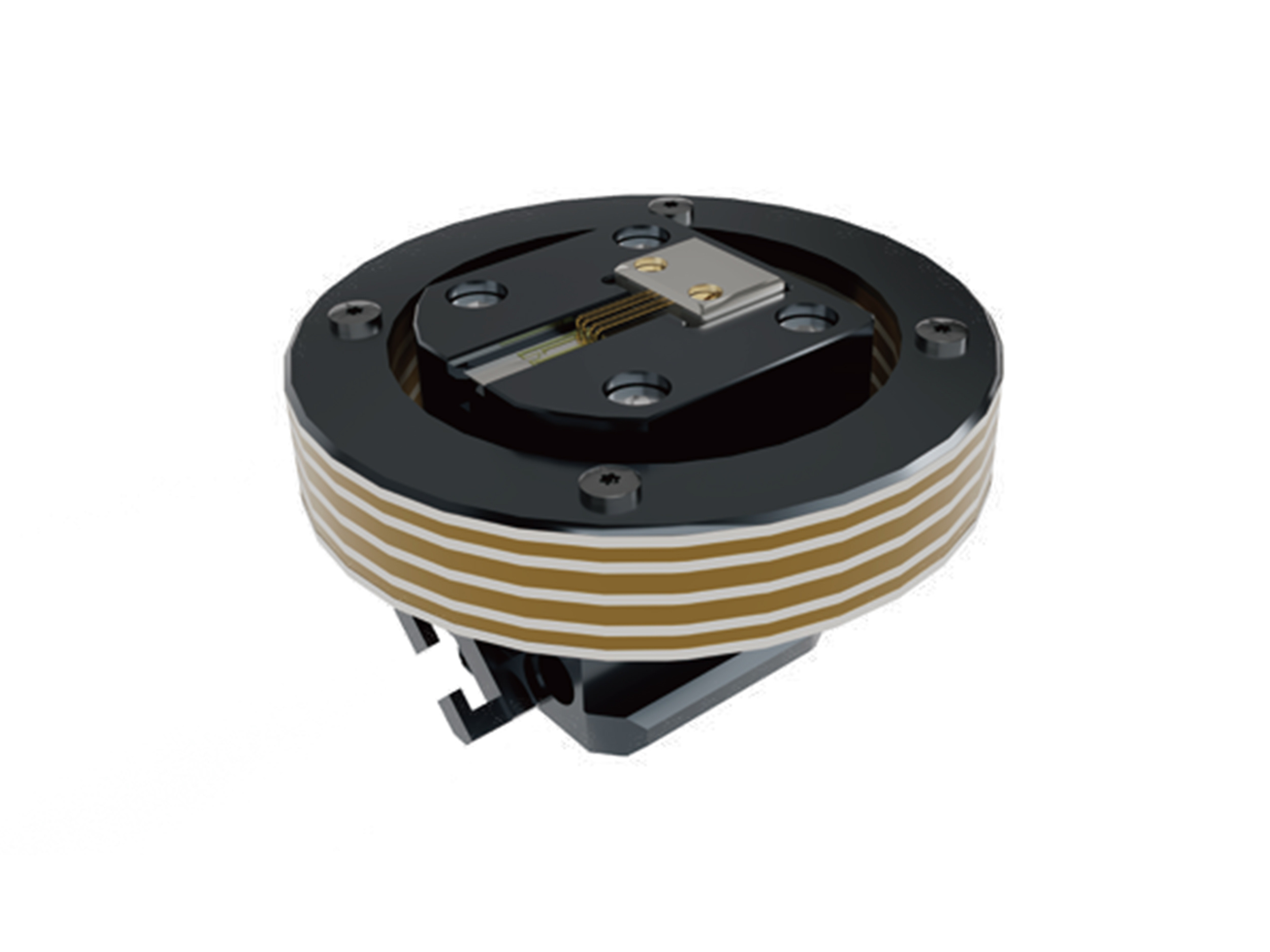
2.1 Types of In Situ Measurement Techniques
Several types of in situ measurement techniques are employed today, including:
- **Electrochemical Sensors:** Used to measure parameters such as pH, conductivity, and ion concentrations.
- **Optical Sensors:** Utilize light absorption and scattering methods to determine chemical compositions.
- **Thermal Sensors:** Measure temperature changes in various environments.
- **Acoustic Sensors:** Employ sound waves to assess properties of materials or detect anomalies.
3. The Importance of In Situ Measurement in Electronic Instruments
The significance of in situ measurement in electronic instruments cannot be overstated. Traditional measurement methods often involve time-consuming sample collection and preparation, which can lead to inaccuracies due to environmental changes. In contrast, in situ measurements ensure that data is captured under actual conditions, enhancing the reliability of results.
3.1 Enhanced Data Accuracy
In situ techniques allow for immediate data collection and eliminate the variability associated with sample transport and storage. This leads to more accurate results that reflect the current state of the environment or system.
3.2 Improved Efficiency and Cost-Effectiveness
By minimizing the need for sample preparation and transportation, in situ measurements can significantly reduce project timelines and costs. This efficiency is particularly beneficial in industries where timely data is critical, such as in environmental monitoring or quality control.
4. Benefits of Fancy In Situ Measurements
Fancy in situ measurements offer numerous advantages that contribute to their increasing adoption in various fields.
4.1 Real-Time Monitoring
One of the most compelling benefits of fancy in situ measurements is the ability to conduct real-time monitoring. This capability allows industries to respond promptly to changes, whether they are fluctuations in environmental conditions or deviations in manufacturing processes.
4.2 Sensor Integration and Automation
Modern electronic measurement instruments can be integrated with advanced sensors that automate data collection. This automation enhances operational efficiency and reduces human error.
4.3 Versatility Across Applications
Fancy in situ measurement techniques can be applied across multiple domains, including environmental science, healthcare diagnostics, and industrial manufacturing. This versatility makes them invaluable in addressing diverse measurement needs.
4.4 Accessibility of Data
With advancements in IoT (Internet of Things) technology, data collected through in situ measurements can be accessed remotely, allowing stakeholders to monitor conditions from anywhere in the world.
5. Applications of In Situ Measurement in Various Industries
In situ measurement techniques have found applications in a variety of industries, showcasing their versatility and importance.
5.1 Environmental Monitoring
In situ measurements are crucial for environmental scientists who need to monitor air and water quality. Sensors deployed in rivers, lakes, and atmospheric conditions provide continuous data essential for regulatory compliance and ecological research.
5.2 Healthcare Diagnostics
In the medical field, in situ measurements can lead to rapid diagnostics that improve patient outcomes. For instance, real-time glucose monitoring devices allow diabetic patients to manage their condition more effectively.
5.3 Manufacturing Processes
In manufacturing, in situ measurements help ensure quality control by monitoring production parameters in real time. This immediate feedback aids in reducing defects and optimizing process efficiency.
5.4 Agriculture
Agricultural practices benefit from in situ measurements through soil moisture sensors and weather stations. These tools provide farmers with data to make informed decisions regarding irrigation and crop management.
6. Challenges and Limitations of In Situ Measurement Techniques
Despite their advantages, in situ measurement techniques are not without challenges.
6.1 Sensor Calibration and Maintenance
Regular calibration and maintenance of sensors are necessary to ensure accuracy, which can be resource-intensive. Failure to maintain sensors can lead to erroneous data.
6.2 Environmental Interference
Factors such as temperature fluctuations, humidity, and chemical interference can affect sensor performance. It is crucial to account for these variables in data interpretation.
6.3 Cost of Technology
While in situ measurement technology can save costs in the long run, the initial investment in sophisticated sensors and instruments can be high, deterring some organizations from adopting these methods.
7. The Future of In Situ Measurement Technologies
As technology continues to advance, the future of in situ measurement looks promising. Innovations in sensor technology, data analytics, and artificial intelligence are set to enhance the capabilities of electronic measurement instruments.
7.1 Integration with Advanced Technologies
Future in situ measurement systems will likely incorporate machine learning algorithms to analyze data trends and predict outcomes, making them even more valuable for decision-making processes.
7.2 Enhanced User Interfaces
User-friendly interfaces will allow even non-experts to utilize in situ measurement technologies effectively. This accessibility will drive wider adoption across various sectors.
7.3 Sustainable Practices
As industries move towards sustainability, in situ measurement can play a crucial role in monitoring environmental impacts and ensuring compliance with regulations, ultimately contributing to a greener future.
8. Conclusion
In situ measurement techniques are undeniably transforming the landscape of electronic measurement instruments. By providing real-time data collection, enhancing accuracy, and enabling efficient monitoring across various industries, these techniques are paving the way for more informed decisions and sustainable practices. As technology continues to evolve, the potential applications and benefits of in situ measurement will only expand, making it a cornerstone of modern data collection and analysis.
Related News

Contact Us
Mobile Phone: 15756003283
Email: support@zeptools.com、micage@zeptools.com
Address: No.15, Electronic Venture Park, Dongshi, Tongling City, Anhui Province, China