



Understanding the Significance of Nano Stages in Instrumentation
Release time:
2025-03-19
In the realm of instrumentation, the term "nano stage" refers to precision positioning systems designed to manipulate and move objects at the nanoscale. These stages are integral in applications requiring high-resolution movements, such as microscopy, nanotechnology, and semiconductor fabrication. Understanding the functionality and advantages of nano stages can significantly benefit professionals
In the realm of instrumentation, the term "nano stage" refers to precision positioning systems designed to manipulate and move objects at the nanoscale. These stages are integral in applications requiring high-resolution movements, such as microscopy, nanotechnology, and semiconductor fabrication. Understanding the functionality and advantages of nano stages can significantly benefit professionals engaged in sophisticated measurement and analysis tasks.
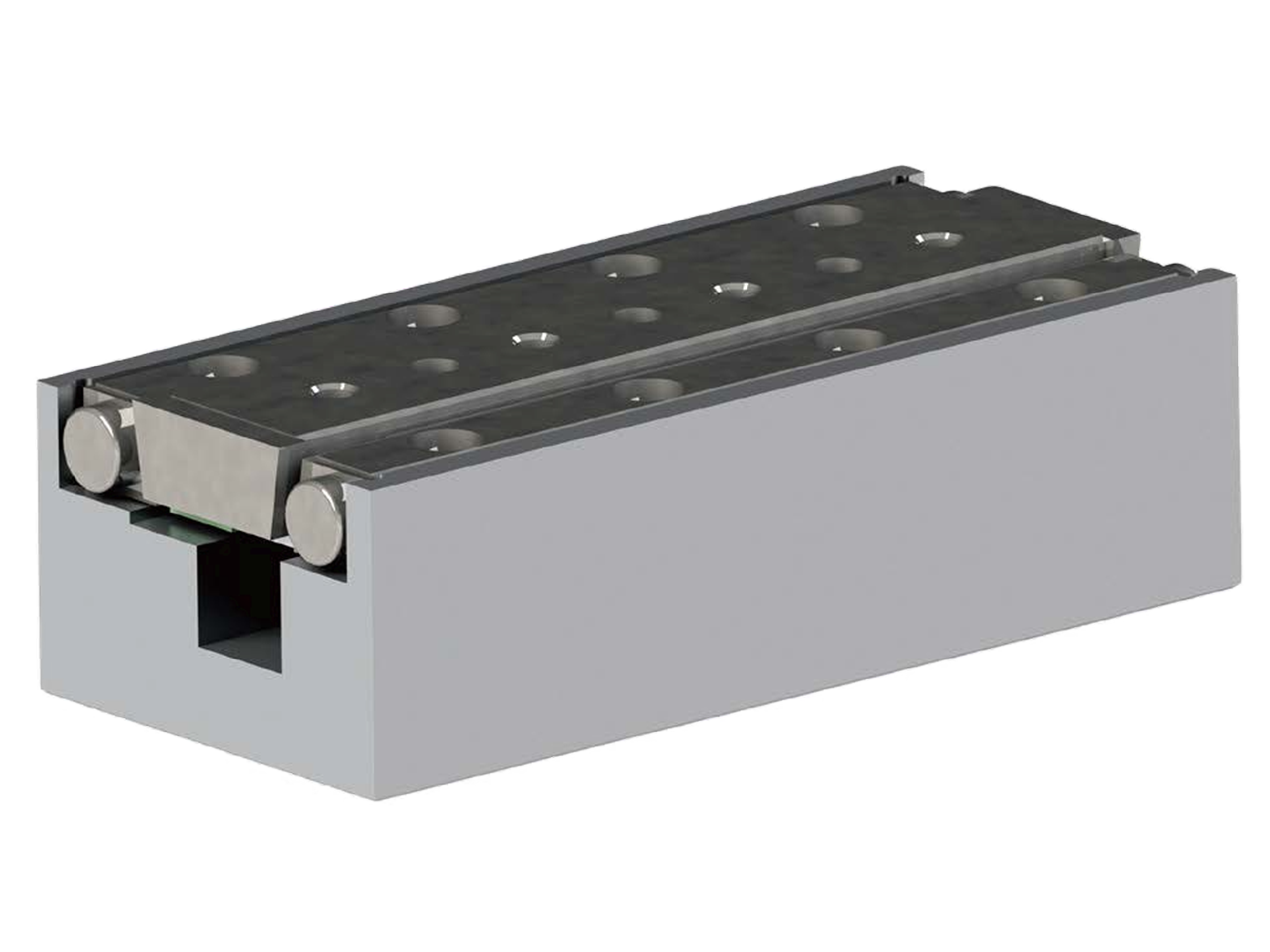
Nano stages are typically constructed using advanced materials and technologies that allow for precise movement and control. They employ linear actuators, piezoelectric motors, or stepper motors to achieve extremely fine positional adjustments, often in increments of nanometers. This level of control is critical in applications like atomic force microscopy (AFM) and electron microscopy, where the precise positioning of samples can impact the quality and accuracy of the data collected.
One of the primary advantages of using nano stages is their ability to enhance measurement precision. In fields such as materials science and biomedical research, where even the slightest deviation can result in significant errors, the accuracy provided by nano stages becomes indispensable. By achieving repeatable and reliable positioning, researchers can ensure that their experiments yield consistent and valid results, which is essential for advancing scientific knowledge.
Moreover, nano stages often come equipped with integrated sensors and feedback systems. These components allow for real-time monitoring and adjustments, ensuring that the desired position is maintained throughout the experiment. This feature significantly reduces the risk of errors caused by external factors such as vibrations or thermal fluctuations, further increasing the reliability of results.
In addition to their precision, nano stages also offer versatility in terms of application. They can be utilized in various environments, from cleanrooms and laboratories to industrial settings. Their compact design allows them to be integrated into various equipment setups, making them suitable for a wide range of tasks, from simple sample positioning to complex automated systems.
As technology advances, the development of nano stages continues to progress, leading to improvements in speed, accuracy, and functionality. Innovations such as digital controls and enhanced materials are expanding the possibilities for their use, making them increasingly relevant in contemporary research and industrial applications.
In conclusion, nano stages play a crucial role in modern instrumentation, offering unparalleled precision and versatility. By understanding their functionality and advantages, professionals can leverage these advanced tools to enhance their measurement capabilities and achieve more accurate and reliable results in their work. Whether in research or industry, the incorporation of nano stages can significantly improve the quality of analytical processes.
Related News

Contact Us
Mobile Phone: 15756003283
Email: support@zeptools.com、micage@zeptools.com
Address: No.15, Electronic Venture Park, Dongshi, Tongling City, Anhui Province, China