



How Stylus Profilometers Enhance Surface Measurement in the Electrical and Instrumentation Industry
Release time:
2025-03-18
Stylus profilometers play a critical role in the electrical and instrumentation industry by offering precise surface measurements essential for quality control and product development
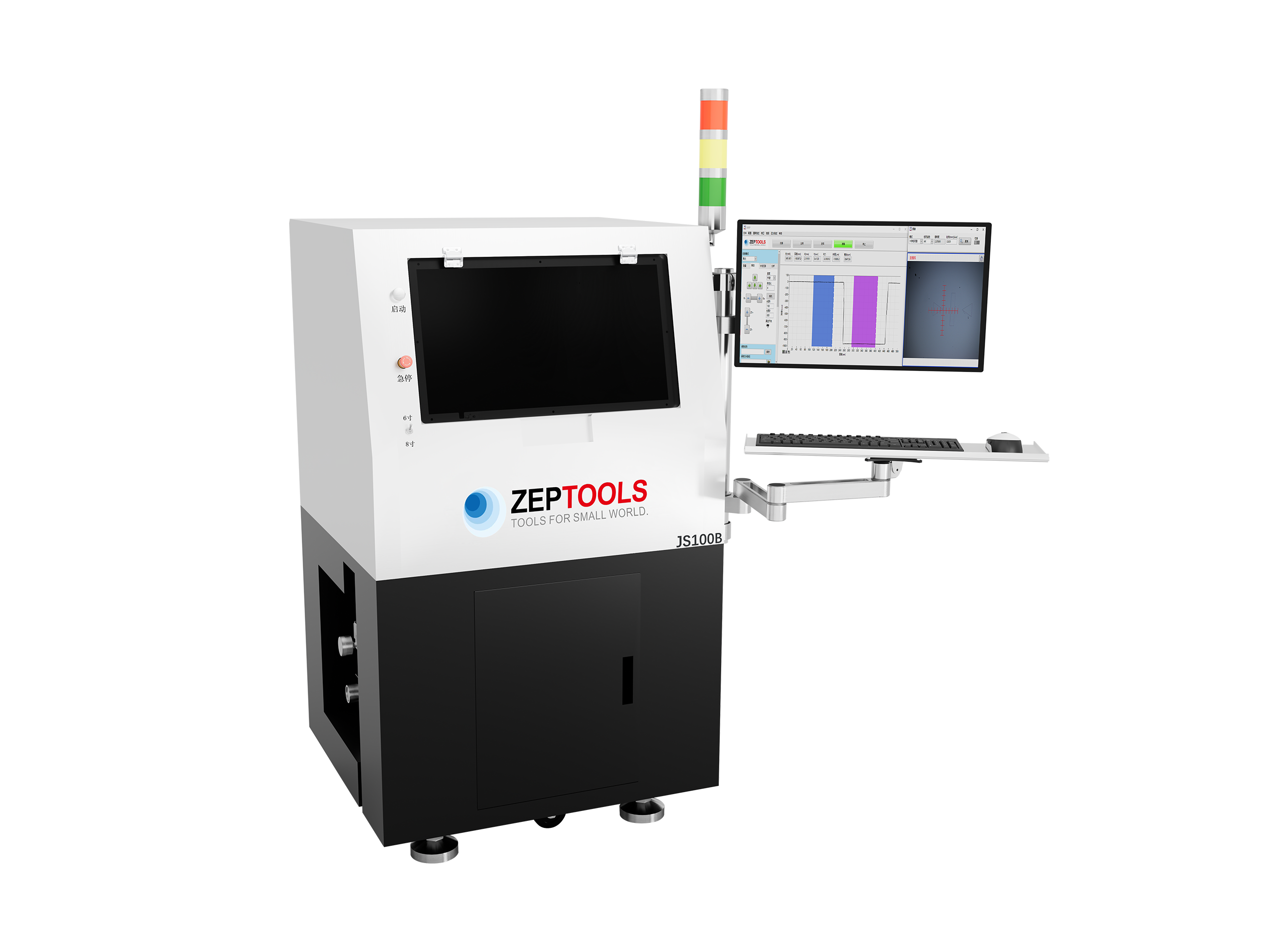
A stylus profilometer is an instrument used to measure the topography of a surface. It consists of a fine stylus that is gently dragged over the surface being measured. The movement of the stylus is detected by transducers, which convert the vertical movements into electrical signals that are processed to generate a representation of the surface profile.
These devices are widely recognized for their **high precision** and ability to deliver detailed surface measurements, making them invaluable in industries such as **electronics manufacturing**, **semiconductor fabrication**, and **materials science**.
Principles of Operation
The operation of a stylus profilometer relies on several key principles:
Contact Measurement
The primary method involves a stylus that makes contact with the surface. As it moves, it captures the height variations of the surface, translating these changes into a digital profile. The tip of the stylus is often made of diamond or sapphire, ensuring durability and precision.
Retrieval of Data
As the stylus moves, it records a series of height measurements at defined intervals. This data is processed through sophisticated software that generates a surface profile, illustrating peaks and valleys on the surface in a visually informative manner.
Calibration and Accuracy
For accurate measurements, stylus profilometers must be calibrated correctly. Calibration involves adjusting the instrument to account for any systematic errors, ensuring that the results are reliable and reproducible.
Applications in the Electrical and Instrumentation Industry
Stylus profilometers have various applications in the electrical and instrumentation sectors:
Quality Control in Manufacturing
In manufacturing processes, surface roughness can significantly affect functionality. Stylus profilometers are employed to ensure that components meet specifications, helping to prevent defects and improve product reliability.
Semiconductor Fabrication
In semiconductor manufacturing, the flatness and surface texture of silicon wafers are critical. Stylus profilometers are used to measure the surface roughness of these wafers, helping to ensure optimal performance in electronic devices.
Component Testing
Profilometers are also used in the testing phase of electrical components. By analyzing the surface texture of connectors and circuit boards, manufacturers can identify potential issues before products are shipped.
Research and Development
In R&D environments, precise surface measurements are essential for developing new materials and technologies. Stylus profilometers provide the necessary data to innovate and enhance product designs.
Advantages of Using Stylus Profilometers
The advantages of stylus profilometers are numerous:
High Precision and Accuracy
Stylus profilometers are known for their exceptional precision, capable of measuring surface features down to the nanometer scale. This level of accuracy is critical in high-tech industries.
Versatility in Measurement
These instruments can measure various surfaces, including metals, ceramics, and polymers, making them versatile tools in any laboratory or production setting.
Detailed Surface Profiles
Stylus profilometers provide in-depth surface profiles, enabling users to analyze surface characteristics quantitatively and qualitatively.
Ease of Use
Modern stylus profilometers come equipped with intuitive software interfaces, making them user-friendly even for individuals without extensive training.
Cost-Effectiveness
Compared to other surface measurement techniques, stylus profilometers often provide a cost-effective solution, especially for industries requiring regular surface testing.
Choosing the Right Stylus Profilometer for Your Needs
Selecting the right stylus profilometer involves considering several factors:
Measurement Range and Resolution
Assess your specific needs regarding measurement range and resolution. Different applications may require different levels of precision.
Sample Size and Shape
Consider the size and geometry of the samples you will be measuring. Some profilometers are better suited for large samples, while others excel in measuring small or intricate designs.
Software Compatibility
Ensure that the profilometer's software is compatible with your existing systems for data analysis and reporting.
Support and Maintenance
Select a manufacturer that offers robust support and maintenance services to ensure your instrument remains operational and accurate over time.
Comparison with Other Surface Measurement Techniques
While stylus profilometers are highly regarded, there are alternative surface measurement techniques:
Optical Profilometry
Optical profilometers use light to measure surface profiles. They can provide rapid measurements but may struggle with transparent or highly reflective surfaces.
Atomic Force Microscopy (AFM)
AFM offers atomic-scale resolution but is often slower and more expensive than stylus profilometry, making it less practical for routine measurements.
Laser Scanning
Laser scanning devices can measure large areas quickly but may lack the resolution necessary for detailed analysis of surface roughness.
The Future of Surface Measurement Technology
The landscape of surface measurement technology is constantly evolving. Innovations in digital data processing and sensor technology are enhancing the capabilities of stylus profilometers. The integration of artificial intelligence and machine learning could lead to more advanced data analysis techniques, offering users deeper insights into surface characteristics.
Moreover, as industries push for higher standards of quality and efficiency, the demand for precise surface measurement tools like stylus profilometers will continue to grow, paving the way for new applications and advancements.
Stylus profilometers play a critical role in the electrical and instrumentation industry by offering precise surface measurements essential for quality control and product development. Their ability to provide detailed surface profiles, combined with versatility and ease of use, makes them indispensable tools for engineers and manufacturers alike.
As technology advances, the future of stylus profilometers looks promising, with innovations set to enhance their capabilities and applications further. By understanding the principles and advantages of these instruments, professionals can leverage them to optimize processes and ensure superior quality in their products.
Related News

Contact Us
Mobile Phone: 15756003283
Email: support@zeptools.com、micage@zeptools.com
Address: No.15, Electronic Venture Park, Dongshi, Tongling City, Anhui Province, China