



Unlocking Precision: The Role of an Electrical Probe Station in Modern Testing
Release time:
2025-03-16
Electrical probe stations are vital tools in modern testing environments, unlocking precision and efficiency in semiconductor testing and material analysis
An electrical probe station is a specialized piece of equipment used primarily for testing semiconductor devices. It allows technicians to make electrical contact with the device under test (DUT) using probes. These probes can provide high-precision measurements of electrical parameters, including voltage, current, and resistance.
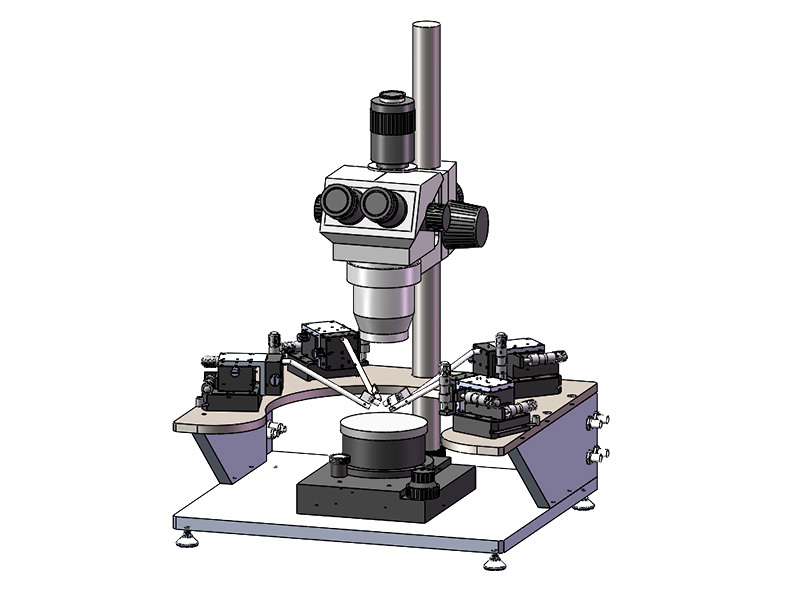
The basic structure of an electrical probe station typically includes a **platform** to hold the DUT, a **micromanipulator** for precise movement of probes, and a **test interface** for data collection and analysis. The versatility of electrical probe stations makes them suitable for both research and production environments, catering to a wide array of testing needs.
History and Evolution of Electrical Probe Stations
The concept of using probe stations for testing can be traced back to the early days of semiconductor research in the 1960s. Initially, these instruments were rudimentary and lacked the precision required for advanced testing. However, as semiconductor technology evolved, so did probe station design and functionality.
Over the decades, improvements in **material science** and **engineering** have led to the development of sophisticated probe stations equipped with advanced features such as automated probing, enhanced thermal control, and high-resolution imaging capabilities. This evolution has positioned electrical probe stations as essential tools in the semiconductor industry, facilitating the testing of complex devices and integrated circuits.
Key Components of an Electrical Probe Station
Understanding the key components of an electrical probe station can provide insights into its functionality and application. The following elements are crucial to the operation of these sophisticated instruments:
Probe Mechanism
The probe mechanism is the heart of the electrical probe station. It consists of multiple probes that make contact with specific points on the DUT. The precision with which these probes can be positioned is vital for accurate testing.
Micromanipulator
A micromanipulator allows for fine adjustments of the probes' position. It enables technicians to navigate the probes to the precise locations needed for measurement. High-quality micromanipulators offer smooth movement with minimal backlash, enhancing overall testing accuracy.
Sample Holder
The sample holder secures the DUT in place during testing. It must accommodate various device sizes and forms, ensuring stability while allowing easy access for probing. Some sample holders also offer thermal control features to conduct measurements at specific temperatures.
Electrical Interface
The electrical interface connects the probe station to testing equipment and data acquisition systems. This component is critical for collecting and analyzing data, ensuring that measurements are recorded accurately and efficiently.
Software Control
Modern probe stations are often equipped with sophisticated software that enables users to configure tests, control the movement of the probes, and analyze data. This software can significantly enhance productivity by automating repetitive tasks and improving data accuracy.
Applications of Electrical Probe Stations in Modern Testing
Electrical probe stations find application in various sectors within the technology industry, including:
Semiconductor Testing
Probe stations play a pivotal role in testing integrated circuits and semiconductor devices. They facilitate the characterization of electrical properties, such as threshold voltage, leakage current, and gain.
Material Analysis
Researchers utilize probe stations to study the electrical properties of new materials, including their conductivity and dielectric behavior. This analysis is crucial for developing novel materials for advanced electronic devices.
Failure Analysis
In the event of a device failure, probe stations assist in diagnosing the root cause by enabling detailed examination of electrical characteristics. This capability is vital for improving device reliability and performance.
Educational Purposes
Probe stations are also employed in academic settings for teaching purposes. They provide students with hands-on experience in semiconductor testing, bridging the gap between theoretical knowledge and practical application.
Benefits of Using Electrical Probe Stations
Electrical probe stations offer numerous benefits that can enhance testing processes:
High Precision
The primary advantage of using probe stations lies in their ability to deliver highly accurate measurements. This precision is paramount for testing small-scale devices where even minor discrepancies can lead to significant errors.
Versatility
Electrical probe stations are versatile and can be adapted for various testing scenarios. Whether you are testing chips, conducting material research, or performing failure analysis, probe stations can be tailored to meet diverse needs.
Time Efficiency
With advanced automation features, modern probe stations can drastically reduce testing time. Automated probing and data collection streamline processes, allowing for quicker turnaround times without sacrificing accuracy.
Enhanced Data Analysis
The integration of sophisticated software tools enhances data analysis capabilities. Users can visualize data in different formats, generate reports, and conduct advanced statistical analysis, making decision-making more informed.
Technological Innovations in Probe Station Design
The design of electrical probe stations continues to evolve, driven by advancements in technology and the ever-increasing demand for accuracy and efficiency.
Automated Probing Systems
Recent innovations include fully automated probing systems that reduce human intervention. These systems can execute complex test sequences, increasing throughput while maintaining high accuracy.
Thermal Management Solutions
Effective thermal management has become a key focus in probe station design. Innovations such as integrated heating and cooling systems allow for precise temperature control during measurements, which is essential for certain applications.
Enhanced Imaging Systems
The incorporation of advanced imaging systems, like high-resolution cameras and optical microscopy, enables users to visualize the DUT at microscopic levels. This feature is particularly beneficial for failure analysis and material characterization.
Remote Operation Capabilities
Modern probe stations often feature remote operation capabilities, allowing users to conduct tests and monitor processes from different locations. This flexibility increases productivity and facilitates collaboration among teams.
Choosing the Right Probe Station for Your Needs
Selecting the appropriate electrical probe station is critical for maximizing testing efficiency and accuracy. Consider the following factors when making your choice:
Testing Requirements
Assess your specific testing needs, including the types of devices you will be testing and the parameters you need to measure. This evaluation will guide you in selecting a probe station with compatible features.
Budget Constraints
Probe stations can vary significantly in price, so it is essential to establish a budget beforehand. While it may be tempting to opt for lower-cost options, ensure that you do not compromise on essential functionalities.
Manufacturer Reputation
Choose a probe station from a reputable manufacturer known for quality and reliability. Research customer reviews, testimonials, and case studies to gauge the performance of potential options.
Technical Support and Warranty
Ensure that the manufacturer offers robust technical support and a comprehensive warranty. This provision will be invaluable in resolving any issues that may arise during operation.
Future Trends in Electrical Probe Station Technology
The future of electrical probe station technology is promising, with several trends poised to shape its development:
Increased Automation
As technology advances, we can expect greater automation in probe station operations. Fully automated systems will likely become the norm, improving efficiency and reducing the likelihood of human error.
Integration with Artificial Intelligence
The integration of artificial intelligence (AI) into probe station software may enable advanced data analysis and predictive modeling. AI algorithms could enhance testing accuracy and provide valuable insights into device performance.
Miniaturization of Probes
The trend towards smaller electronic devices will drive the miniaturization of probes used in testing. Smaller probes will facilitate testing of increasingly compact devices while maintaining precision.
Green Technologies
Sustainability considerations are gaining traction, and future probe station designs may focus on energy efficiency and environmentally friendly materials to minimize their carbon footprint.
Electrical probe stations are vital tools in modern testing environments, unlocking precision and efficiency in semiconductor testing and material analysis. Their evolution over the years has transformed the way we conduct electrical measurements, providing increased accuracy and versatility. By understanding their components, applications, benefits, and future trends, professionals can make informed decisions and optimize their testing processes. With the continuous advancements in technology, electrical probe stations will undoubtedly play an even more significant role in shaping the future of the electronics industry.
Related News

Contact Us
Mobile Phone: 15756003283
Email: support@zeptools.com、micage@zeptools.com
Address: No.15, Electronic Venture Park, Dongshi, Tongling City, Anhui Province, China