



Understanding Probe Stations: Essential Tools in Chemical Laboratory Instrumentation
Release time:
2025-03-15
Probe stations are vital tools in the realm of chemical laboratory instrumentation. Their ability to conduct precise measurements on small samples is indispensable for research and development, making them a cornerstone of innovation in the chemical industry
Probe stations are specialized instruments used in laboratories to facilitate the testing and analysis of materials at a microscopic level. These devices enable researchers to make precise electrical measurements on small samples, such as semiconductor wafers or other materials that require detailed examination. In the chemical industry, their role is crucial as they help in characterizing materials, conducting experiments, and verifying the properties of substances.
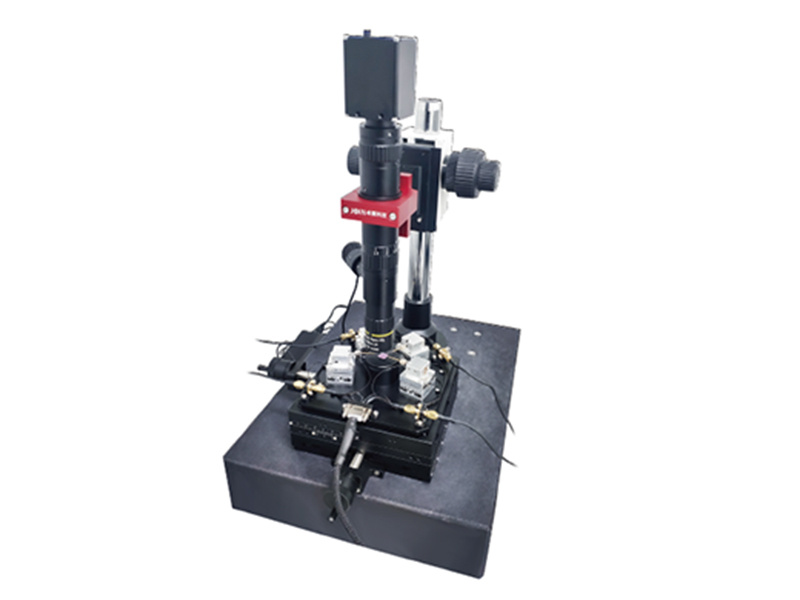
At the core of a probe station's functionality is its ability to hold the sample securely while allowing access to probing devices. Typically, a probe station consists of a stage to support the sample, probes that make contact with the material, and a measurement system to record the data obtained. The setup can be finely adjusted to ensure that measurements are accurate and that samples are not damaged during the process.
One of the key advantages of using a probe station is the high level of precision it offers. Researchers can measure electrical properties such as resistance, capacitance, and current flow with unparalleled accuracy. This is particularly important in chemical applications where even minor variations can affect the overall outcomes of experiments. Additionally, probe stations are often equipped with sophisticated software that allows for advanced data analysis and visualization, further enhancing their utility.
Probe stations are commonly used in various applications within the chemical sector. For instance, they play a critical role in the development and testing of new materials, including polymers, nanomaterials, and semiconductors. By providing detailed insights into the electrical and thermal properties of these substances, probe stations help researchers optimize formulations and processes, leading to innovations in product development.
Moreover, the versatility of probe stations makes them suitable for both academic research and industrial applications. In a university lab, they can be used to teach students about material characterization techniques, while in an industrial setting, they can assist in quality assurance and process optimization.
Probe stations are vital tools in the realm of chemical laboratory instrumentation. Their ability to conduct precise measurements on small samples is indispensable for research and development, making them a cornerstone of innovation in the chemical industry. Understanding the functionality and applications of these devices can empower professionals to enhance their work and contribute to advancements in the field. By integrating probe stations into laboratory practices, chemists and researchers can achieve significant breakthroughs that drive progress.
Related News

Contact Us
Mobile Phone: 15756003283
Email: support@zeptools.com、micage@zeptools.com
Address: No.15, Electronic Venture Park, Dongshi, Tongling City, Anhui Province, China