



Exploring the Advantages of a High-Quality Piezo Stage for Precision Measurement Applications
Release time:
2025-04-21
Investing in a durable piezo stage is crucial for anyone involved in precision measurements across various scientific and industrial applications
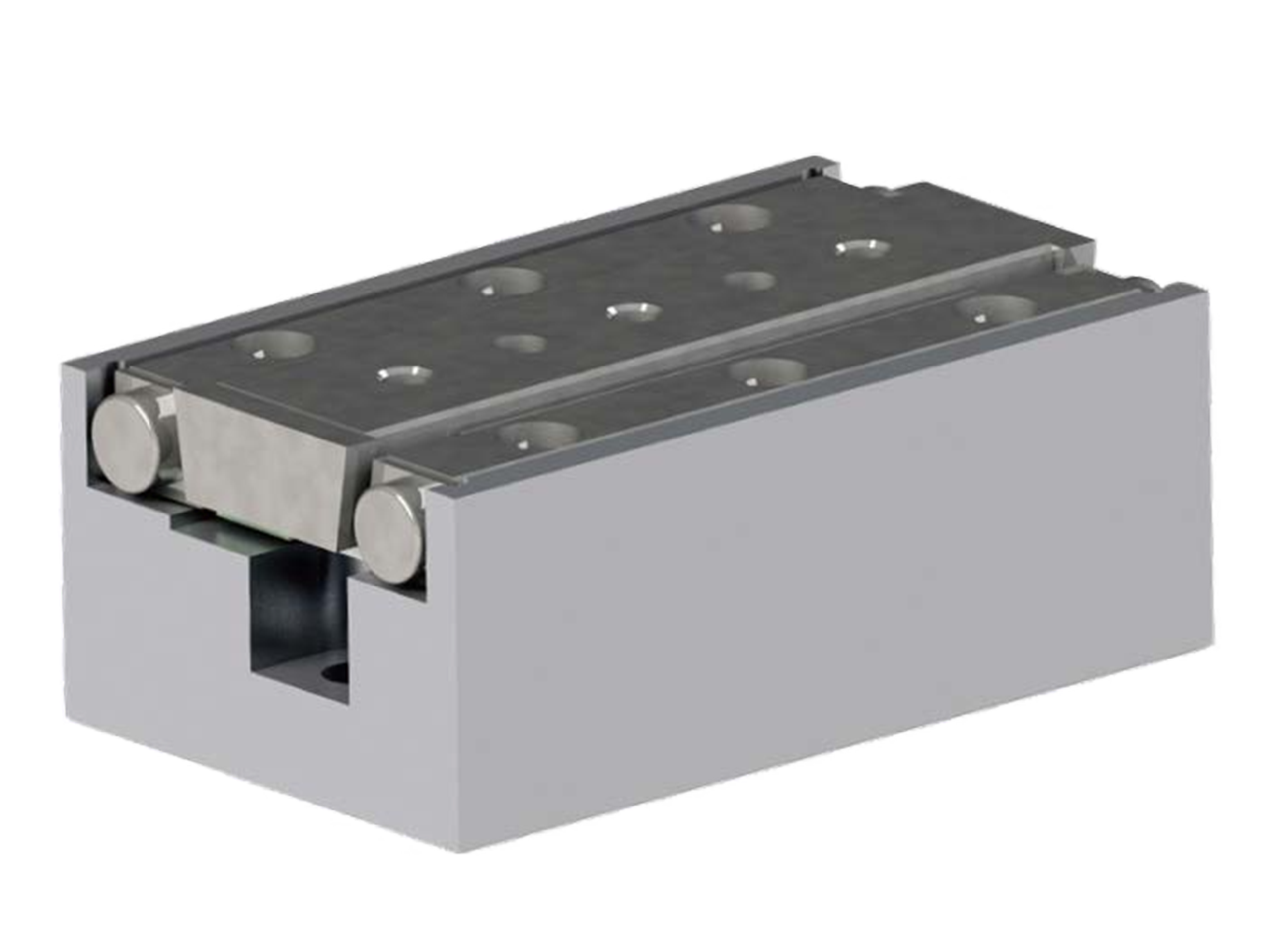
A **piezo stage** is a type of positioning device that utilizes piezoelectric materials to achieve precise movement. Piezoelectric materials generate mechanical strain when an electric field is applied, allowing for extremely fine control over motion. This capability makes piezo stages ideal for applications requiring high-resolution positioning, such as optical systems, semiconductor manufacturing, and scientific research.
How Do Piezo Stages Work?
Piezo stages operate based on the principles of **piezoelectricity**. When voltage is applied to a piezoelectric material, it expands or contracts, resulting in linear or rotational motion. This motion can be controlled with incredible precision, often down to the nanometer scale.
Most piezo stages are equipped with **closed-loop feedback systems** that allow for real-time adjustments and corrections. This feature ensures that the stage maintains its position accurately, even when faced with external disturbances or variable loads.
Key Benefits of Durable Piezo Stages
When considering piezo stages for precision measurements, durability plays a crucial role in maintaining long-term performance and reliability. Below are some of the key benefits of investing in a durable piezo stage.
High Precision in Measurements
One of the most significant advantages of durable piezo stages is their ability to deliver **high precision** in measurements. The fine control over movement facilitates accurate positioning, which is critical in applications such as:
- **Micro-manipulation** in biological research
- **Surface profiling** in materials science
- **Optical alignment** in laser systems
Due to their exceptional resolution, durable piezo stages help minimize errors and enhance the overall quality of measurement processes.
Excellent Stability and Reliability
Durable piezo stages are designed to withstand various environmental factors, such as temperature fluctuations and vibrations. Their robust construction ensures that they maintain **excellent stability** over time, which is crucial for applications requiring consistent performance.
Stable positioning is vital in fields like **nanotechnology**, where even the slightest deviation can lead to significant inaccuracies. By investing in a durable piezo stage, researchers can ensure reliable results throughout their experiments.
Fast Response Time
Another noteworthy benefit of durable piezo stages is their **fast response time**. These stages can achieve rapid movements, often within milliseconds, allowing for efficient data collection and analysis. In time-sensitive applications, such as laser scanning microscopy, a quick response time can significantly enhance workflow and productivity.
The ability to execute rapid adjustments also enables researchers to conduct dynamic experiments, providing valuable insights into real-time phenomena.
Temperature Resistance and Longevity
Durable piezo stages are often constructed with materials that withstand extreme temperatures, ensuring they perform optimally in various environments. This **temperature resistance** contributes to the longevity of the device, making it a cost-effective investment for laboratories and industrial applications.
By choosing a high-quality piezo stage, users reduce the need for frequent replacements or repairs, leading to lower operational costs in the long run.
Applications of Piezo Stages in Various Industries
The versatility of piezo stages allows them to be utilized in multiple industries, each benefiting from their unique features. Below are some notable applications:
1. Scientific Research
In laboratories, piezo stages play a vital role in experiments involving advanced imaging techniques, like **atomic force microscopy (AFM)** and **scanning tunneling microscopy (STM)**. These applications require high precision and stability, which piezo stages can provide.
2. Semiconductor Manufacturing
In the semiconductor industry, piezo stages are used for wafer alignment and lithography processes. The ability to achieve nanoscale movements is essential for producing high-quality semiconductor devices.
3. Medical Devices
In the medical field, piezo stages are employed in devices such as **surgical robots** and diagnostic equipment. Their precision contributes to improved patient outcomes and more reliable diagnostics.
4. Optical Systems
Optical applications, including laser systems and beam steering, benefit from the fast response times and stable positioning of piezo stages. They are critical in ensuring optimal performance in these systems.
Choosing the Right Piezo Stage for Your Needs
Selecting the appropriate piezo stage involves considering several factors to ensure optimal performance in your specific application. Here are some key considerations:
1. Load Capacity
Determine the load that the piezo stage needs to support. This factor influences the choice of materials and design to ensure durability and performance.
2. Travel Range
Consider the required travel range for your application. Different piezo stages offer various ranges, so choose one that meets your specifications.
3. Resolution and Accuracy
Evaluate the required resolution and accuracy for your measurements. High-precision applications may necessitate choosing stages with finer resolutions.
4. Environmental Conditions
If your application involves extreme environmental conditions, ensure that the piezo stage can withstand those factors without compromising performance.
Maintenance and Care for Piezo Stages
To maintain the performance and longevity of your piezo stage, implementing a proper maintenance routine is essential. Here are some maintenance tips:
1. Regular Inspection
Conduct regular inspections to check for signs of wear or damage. Early detection of issues can prevent costly repairs or replacements.
2. Cleanliness
Keep the piezo stage clean and free from dust and debris. Contaminants can interfere with motion and accuracy, so regular cleaning is essential.
3. Proper Storage
When not in use, store the piezo stage in a protective case to prevent damage. Avoid exposing it to extreme temperatures or humidity.
Conclusion
Investing in a durable piezo stage is crucial for anyone involved in precision measurements across various scientific and industrial applications. The numerous benefits—including high precision, excellent stability, fast response times, and temperature resistance—make these devices invaluable tools. By understanding the features and selecting the right piezo stage for your specific needs, you can enhance your measurement capabilities and achieve reliable results.
Related News

Contact Us
Mobile Phone: 15756003283
Email: support@zeptools.com、micage@zeptools.com
Address: No.15, Electronic Venture Park, Dongshi, Tongling City, Anhui Province, China