



Exploring the World of Advanced Nano Stages: Precision at the Nanoscale
Release time:
2025-04-20
--- In the ever-evolving field of instrumentation, **advanced nano stages** stand out as a pivotal component in achieving high levels of precision in measurements and manipulations at the nanoscale. These stages are meticulously designed to provide fine control over positioning, crucial for applications in fields such as nanotechnology, materials science, and semiconductor manufacturing. At its co
In the ever-evolving field of instrumentation, **advanced nano stages** stand out as a pivotal component in achieving high levels of precision in measurements and manipulations at the nanoscale. These stages are meticulously designed to provide fine control over positioning, crucial for applications in fields such as nanotechnology, materials science, and semiconductor manufacturing.
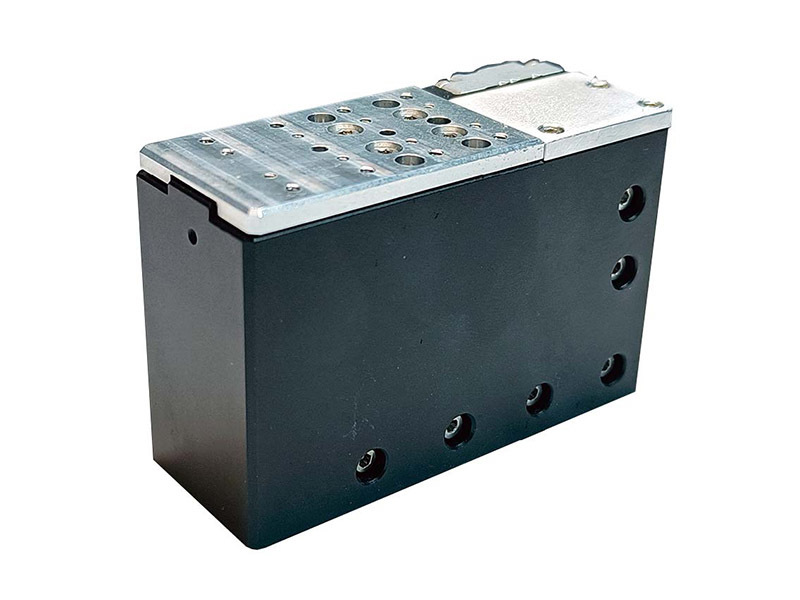
At its core, an advanced nano stage is a highly sophisticated positioning system that utilizes intricate mechanisms to move objects with exceptional accuracy. Typically, these stages employ piezoelectric actuators, which allow for minute adjustments at the nanometer level. This capability is essential in research and development settings where precise alignment and positioning can dramatically influence experimental outcomes.
One of the primary applications of advanced nano stages is in microscopy, particularly in scanning tunneling microscopy (STM) and atomic force microscopy (AFM). These techniques require the sample to be positioned with extreme accuracy relative to the tip of the microscope. The functionality of advanced nano stages ensures that researchers can obtain high-resolution images and detailed analyses of materials at the atomic level. This level of precision enables scientists to uncover new properties of materials and develop innovative applications in electronics and materials engineering.
Moreover, advanced nano stages are integral to the fabrication of micro and nanoscale devices. Their ability to manipulate materials with high precision allows for the creation of intricate structures that are critical in the development of next-generation electronics, sensors, and other vital components. As industries increasingly lean towards miniaturization and enhanced functionality, the demand for reliable and precise positioning systems rises, making advanced nano stages indispensable.
In addition to research and manufacturing, advanced nano stages play a significant role in the automation of processes. By integrating these stages into robotic systems, industries can achieve higher accuracy and efficiency in tasks such as assembly and inspection. As automation becomes more prevalent, the ability to perform tasks at the nanoscale will lead to innovations in various sectors, including biotechnology and pharmaceuticals.
The advancement of nano technology is not without its challenges. As the technology continues to evolve, researchers and engineers must tackle issues related to drift, vibration, and thermal stability that can affect the performance of nano stages. Innovations in materials and design are constantly being explored to enhance the reliability and accuracy of these systems.
In conclusion, advanced nano stages are a cornerstone of modern instrumentation, providing the precision necessary for groundbreaking research and industrial applications. Their role in facilitating advancements at the nanoscale is undeniable, and as technology progresses, the potential applications and importance of these devices will only continue to grow. Whether in scientific exploration or industrial production, understanding and utilizing advanced nano stages is essential for anyone involved in these cutting-edge fields.
Related News

Contact Us
Mobile Phone: 15756003283
Email: support@zeptools.com、micage@zeptools.com
Address: No.15, Electronic Venture Park, Dongshi, Tongling City, Anhui Province, China