



Unlocking Precision: The Role of the Newest Electrical Probe Station in Modern Testing
Release time:
2025-04-17
Unlocking Precision: The Role of the Newest Electrical Probe Station in Modern Testing Table of Contents 1. Introduction to Electrical Probe Stations 2. The Importance of Precision in Electrical Testing 3. Latest Technologies in Electrical Probe Stations 4. How Electrical Probe Stations Work 5. Applications of Electrical Probe Stations in Various Industries 6. Benefits of
1. Introduction to Electrical Probe Stations
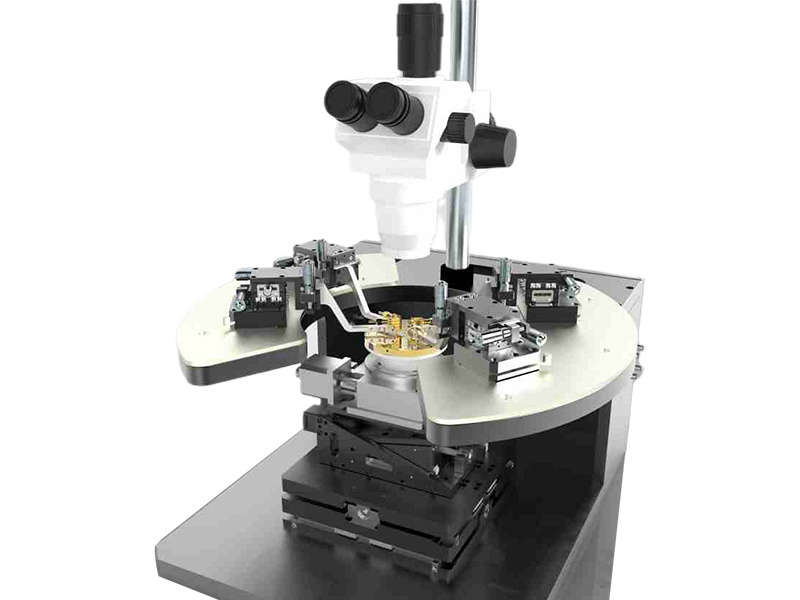
Electrical probe stations are specialized tools designed to facilitate the electrical testing of semiconductor devices and materials. These stations play a vital role in the development and quality assurance of electronic components, providing engineers and researchers with the precision they need to conduct reliable measurements. With advancements in technology, the newest electrical probe stations have evolved, integrating state-of-the-art features that enhance testing capabilities and streamline processes.
2. The Importance of Precision in Electrical Testing
Precision in electrical testing is crucial for several reasons. First and foremost, inaccuracies can lead to faulty products, resulting in significant financial losses and damage to brand reputation. Moreover, precise measurements ensure compliance with industry standards and regulations. In sectors where safety is paramount, such as aerospace and automotive, the implications of imprecision can be catastrophic. Therefore, investing in the latest electrical probe stations is not just an option; it is a necessity for maintaining high-quality standards.
3. Latest Technologies in Electrical Probe Stations
The newest electrical probe stations incorporate various advanced technologies that enhance their performance and usability. Key features include:
3.1 High-Speed Measurement Capabilities
Modern probe stations are equipped with high-speed measurement technology that allows for rapid data collection without sacrificing accuracy. This capability is particularly beneficial in high-throughput environments where time is of the essence.
3.2 Automated Positioning Systems
Automation in probe positioning minimizes human error and ensures consistent contact with the test samples. These systems can adjust dynamically based on real-time feedback, enhancing operational efficiency.
3.3 Enhanced Data Analytics
Advanced data analytics tools integrated into the latest probe stations enable engineers to analyze test results more effectively. This feature allows for immediate identification of discrepancies and facilitates quicker decision-making.
3.4 Compatibility with Multiple Testing Techniques
The newest electrical probe stations are designed to accommodate various testing methodologies, including DC, RF, and microwave measurements. This versatility makes them suitable for a wide range of applications in different sectors.
4. How Electrical Probe Stations Work
Understanding the functionality of electrical probe stations is essential for leveraging their full potential. These systems typically consist of several key components:
4.1 Probe Head
The probe head holds the probes that make contact with the device under test (DUT). The accuracy and sensitivity of these probes are critical for obtaining reliable measurements.
4.2 Stage Mechanism
The stage mechanism allows for precise movement of the DUT within the probe station. This movement can be manual or automated, enabling fine-tuning for optimal contact.
4.4 Measurement Instruments
The electrical signals are captured using sophisticated measurement instruments that convert the electrical data into readable formats. These instruments can include oscilloscopes, multimeters, and spectrum analyzers.
5. Applications of Electrical Probe Stations in Various Industries
Electrical probe stations are utilized across a multitude of industries, each requiring precision and accuracy. Some notable applications include:
5.1 Semiconductor Testing
In the semiconductor industry, electrical probe stations are indispensable for testing wafers, die, and packaged devices. They help ensure that components meet stringent performance criteria.
5.2 Research and Development
Researchers rely on probe stations to gather data during the development of new materials and technologies. The ability to obtain precise measurements accelerates the R&D process.
5.3 Automotive Electronics
As vehicles become more reliant on electronic systems, robust testing becomes critical. Electrical probe stations ensure that automotive components function safely and reliably under varying conditions.
5.4 Telecommunications
In telecommunications, probe stations facilitate the testing of RF components, ensuring that they meet operational specifications and perform reliably in the field.
6. Benefits of Using the Newest Electrical Probe Stations
The advantages of adopting the latest electrical probe stations are significant:
6.1 Increased Efficiency
With advanced automation and high-speed capabilities, these stations dramatically reduce testing times, allowing for higher throughput without compromising quality.
6.2 Enhanced Accuracy
The integration of sophisticated measurement technologies ensures that data collected is both accurate and reliable, minimizing the risk of errors in testing.
6.3 Cost-Effectiveness
By reducing the likelihood of product failures and the corresponding costs, organizations can achieve a better return on investment (ROI). The efficiency gained through high-speed testing also translates into lower operational costs.
6.4 Improved Compliance
Staying compliant with industry standards is vital. The newest electrical probe stations help ensure that tests are conducted under controlled conditions, supporting compliance with regulations.
7. Choosing the Right Electrical Probe Station for Your Needs
Selecting the appropriate electrical probe station depends on several factors:
7.1 Understand Your Requirements
Analyze the specific testing needs of your projects. Consider factors such as the types of devices you will test and the measurement techniques required.
7.2 Evaluate Technical Specifications
Review the technical specifications of various models. Look for features such as measurement range, accuracy levels, and compatibility with existing equipment.
7.3 Consider Automation and Software
Assess the level of automation and the ease of use of the software associated with the probe station. A user-friendly interface can significantly enhance operational efficiency.
7.4 Budget Considerations
Establish a budget that aligns with your organization’s financial constraints while ensuring that you invest in a high-quality system that meets your needs.
8. Future Trends in Electrical Probe Technology
As technology continues to evolve, several trends are shaping the future of electrical probe stations:
8.1 Integration with Artificial Intelligence
AI is set to revolutionize the way measurements are analyzed. Smart algorithms can predict outcomes, reduce errors, and enhance data interpretation.
8.2 Miniaturization
As devices become smaller, probe stations will need to adapt by offering miniaturized solutions without compromising functionality.
8.3 Enhanced Connectivity
With the rise of Industry 4.0, enhanced connectivity options will allow probe stations to integrate seamlessly with other testing and manufacturing systems, enabling better data sharing and analysis.
The newest electrical probe stations play a pivotal role in unlocking precision in electrical testing, offering unparalleled accuracy and efficiency. As technology advances, these tools continue to evolve, providing engineers and researchers with the capabilities needed to meet the challenges of modern electronic testing. Investing in cutting-edge electrical probe stations not only enhances testing methodologies but also ensures the highest standards of quality and reliability in electronic components. By understanding their features, benefits, and applications, you can make informed decisions that drive innovation and success in your projects.
Related News

Contact Us
Mobile Phone: 15756003283
Email: support@zeptools.com、micage@zeptools.com
Address: No.15, Electronic Venture Park, Dongshi, Tongling City, Anhui Province, China