



Exploring Ce Nanomechanical Testing: A Comprehensive Guide for Professionals
Release time:
2025-04-14
Nanomechanical testing, particularly in the context of ce (controlled environment) applications, has emerged as a pivotal technique in assessing the mechanical properties of materials at the nanoscale. This form of testing is integral for professionals involved in materials science, engineering, and various sectors where precision in material behavior is paramount. At its core, ce nanomechanical t
Nanomechanical testing, particularly in the context of ce (controlled environment) applications, has emerged as a pivotal technique in assessing the mechanical properties of materials at the nanoscale. This form of testing is integral for professionals involved in materials science, engineering, and various sectors where precision in material behavior is paramount.
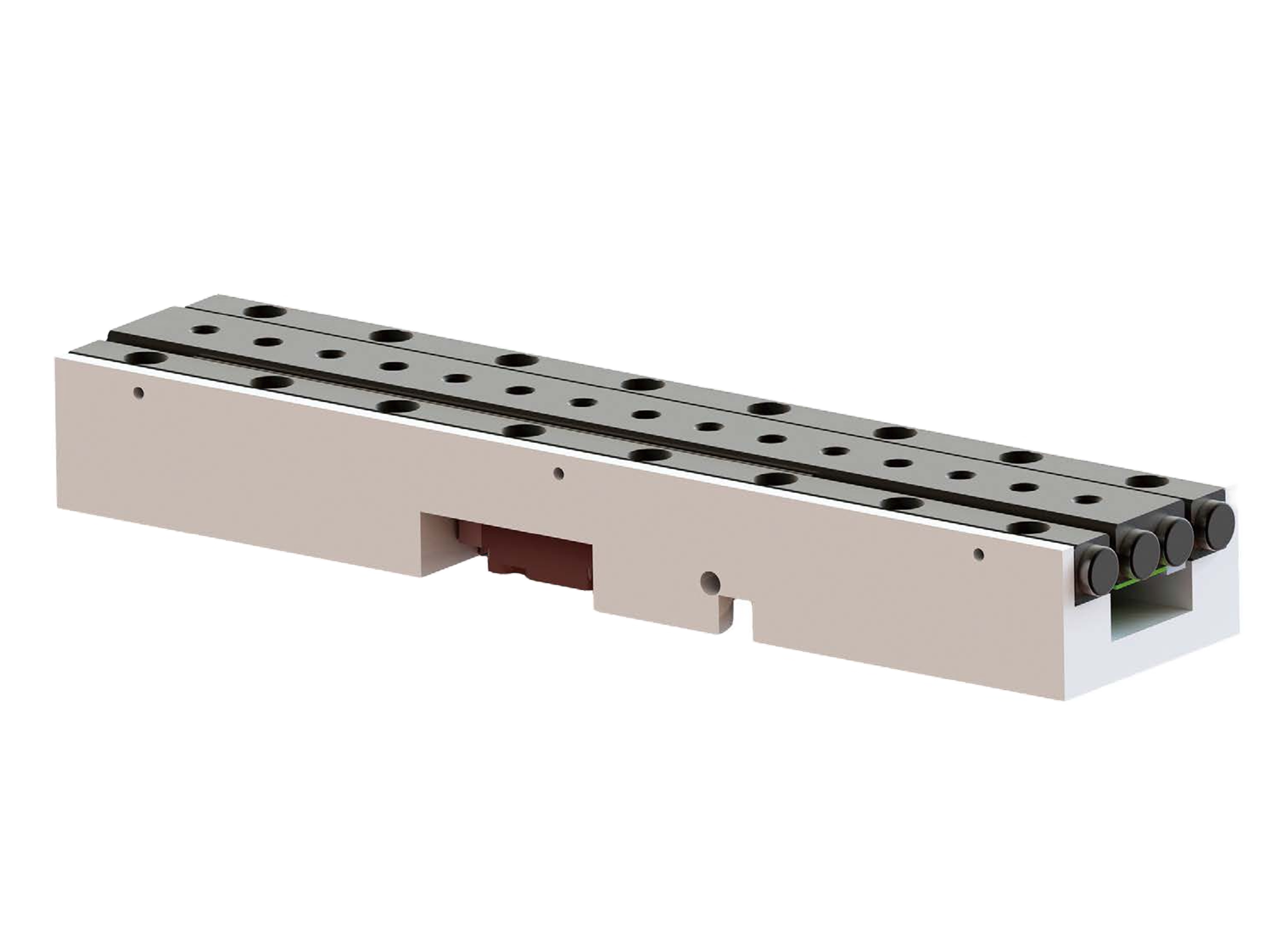
At its core, ce nanomechanical testing utilizes advanced instrumentation to measure properties such as hardness, elasticity, and adhesion under controlled conditions. By conducting tests in a controlled environment, one can isolate the effects of temperature, humidity, and other variables that could potentially skew results. This precision is crucial for researchers and developers who require accurate data to inform the development of new materials or the enhancement of existing ones.
One of the primary methodologies employed in ce nanomechanical testing is nanoindentation. This technique involves pressing a hard tip into the material surface to measure its resistance to deformation. The load-displacement data obtained from this process allows for the calculation of elastic modulus, hardness, and other mechanical properties. The ability to perform such measurements at the nanoscale opens up a multitude of applications across various industries, from semiconductor manufacturing to biomaterials research.
Moreover, the significance of ce nanomechanical testing extends beyond mere measurement. It plays a crucial role in quality control, ensuring that materials meet specific performance standards before they are integrated into larger systems. For instance, in the electronics industry, ensuring that materials can withstand mechanical stress without failing is vital for the reliability and longevity of electronic devices.
Additionally, ce nanomechanical testing can provide insights into the effects of processing conditions on material properties. By examining how different fabrication methods influence mechanical behavior, professionals can refine their processes to achieve optimal material performance.
Incorporating ce nanomechanical testing into your research or development workflow can yield significant advantages. It enables a better understanding of material behaviors, ultimately leading to the innovation of superior products that meet the evolving demands of various industries. For professionals navigating the challenges of modern material applications, mastering ce nanomechanical testing offers a strategic edge in ensuring product reliability and performance.
In summary, ce nanomechanical testing is an essential tool for professionals in the electronic measurement instrumentation field, providing critical insights into the mechanical properties of materials at the nanoscale. By leveraging this advanced testing technique, one can drive innovation and enhance product quality across various applications.
Related News

Contact Us
Mobile Phone: 15756003283
Email: support@zeptools.com、micage@zeptools.com
Address: No.15, Electronic Venture Park, Dongshi, Tongling City, Anhui Province, China