



Exploring the World of Famous 2D Transfer Systems in Optical Instruments
Release time:
2025-04-24
--- In the world of optical instruments, the concept of a "famous 2D transfer system" encompasses a variety of technologies and methodologies that are crucial for imaging and measurement applications. At its core, a 2D transfer system refers to the means by which two-dimensional data is transferred and manipulated within optical systems. This can include the transmission of light through various o
In the world of optical instruments, the concept of a "famous 2D transfer system" encompasses a variety of technologies and methodologies that are crucial for imaging and measurement applications. At its core, a 2D transfer system refers to the means by which two-dimensional data is transferred and manipulated within optical systems. This can include the transmission of light through various optical components such as lenses, filters, and mirrors, which work together to achieve desired imaging results.
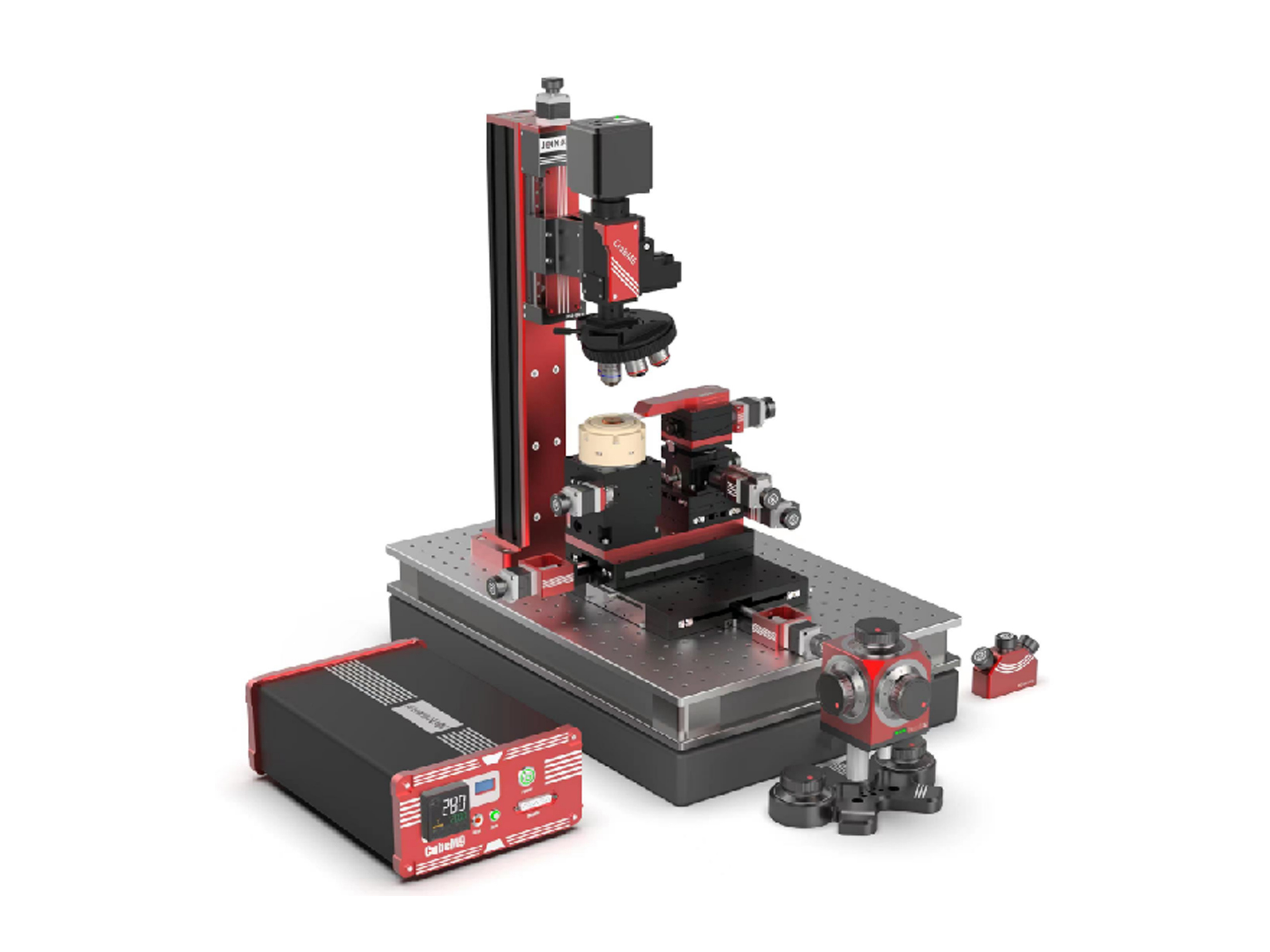
One of the most significant aspects of 2D transfer systems is their application in imaging systems, such as cameras and microscopes. These instruments rely heavily on capturing light and converting it into image data. The efficiency and accuracy of this process are greatly influenced by the design and quality of the optical components involved in the 2D transfer system. For instance, high-quality lenses can minimize optical aberrations and enhance image clarity, making them essential for both scientific research and industrial applications.
Additionally, the famous 2D transfer systems are often employed in the field of digital imaging. When light is captured by a sensor, it undergoes a transformation where the 2D spatial information is converted into digital data. This process allows for further analysis and manipulation using various software tools, making it invaluable in fields such as medical imaging, remote sensing, and machine vision. The integration of these systems with advanced algorithms can also lead to improvements in image processing, enabling more accurate results in diagnostic imaging or industrial inspections.
Another noteworthy application of 2D transfer systems is in the development of augmented reality (AR) and virtual reality (VR) technologies. These systems rely on precise 2D image rendering to create immersive experiences. By understanding how light transfer works in a 2D context, developers can enhance user experience and ensure realistic visual representations in AR and VR environments.
Furthermore, the advancements in 2D transfer systems have opened new frontiers in research and development. Innovations such as adaptive optics, which corrects for distortions in real-time, exemplify how these systems can be optimized for improved performance. This technology is particularly useful in astronomy, where it allows for clearer observations of celestial bodies despite atmospheric interference.
In summary, the famous 2D transfer system is a cornerstone of optical instruments, playing a crucial role in enhancing imaging quality and accuracy across various applications. Understanding these systems not only sheds light on the complexities of optical technology but also highlights their importance in pushing the boundaries of scientific and industrial advancements. Whether in medical imaging, digital photography, or cutting-edge technologies like AR and VR, the influence of effective 2D transfer systems is both profound and far-reaching.
Related News

Contact Us
Mobile Phone: 15756003283
Email: support@zeptools.com、micage@zeptools.com
Address: No.15, Electronic Venture Park, Dongshi, Tongling City, Anhui Province, China